The day the crew was due to start work at the Ohio State Reformatory was the day the state had the building down for the wrecking ball. That is Dennis Baker talking, the warden of the working prison next door, and his verdict on what happened instead was that the film saved the place. The Reformatory got a stay, then a buyer at one dollar, and it now sells tickets.
16
places on the route
North-central Ohio, Mansfield out to Upper Sandusky 65 km west, and one Caribbean island 3,070 km away — switch with the buttons above. Click a point to jump to its entry.
The film says Maine and means Ohio. Where The Shawshank Redemption was filmed is a box about 80 km across, with Mansfield, Lucas, Butler, Ashland and Upper Sandusky inside it. The one place far outside that box is the beach at the end, which the story puts on the Pacific coast of Mexico and which is 3,070 km away in the Caribbean. Inside Ohio the substitution goes one level deeper. The Shawshank prison on screen is three buildings. Its front, the warden's office, the parole board room, the showers, the library and solitary are the Reformatory, and roughly nine tenths of the film was shot there. The cellblock is the exception, and it is the part everybody remembers: four storeys of wooden tiers built inside a shut-down electrical factory 2.7 km down the road. The wood shop where Figaro comes over the tannoy is an hour's drive west.
None of it is a true story, and Shawshank is not a real prison. Shawshank State Prison came out of a novella Stephen King published in 1982, and in an essay years afterwards he put the idea down to a technique he wanted to borrow, making the hero out of a secondary character. The Shawshank Redemption is set in Maine, and the state has nothing of the sort on its books: its corrections department holds its men at Warren, Charleston, Windham and Machiasport. The building is the real part. The Shawshank Redemption takes place from 1947, when the film puts Andy Dufresne inside, to 1966, when it loses him through the wall. In fact the place held men until the last day of 1990, and it had been standing empty for three years when the crew arrived in 1993.
Some of this you can walk into. A county court will show you its courtroom when it is not sitting, a supermarket still sells groceries under murals of the film, and the prison runs tours through the building it was about to lose. Since 2008 the county visitors bureau has strung the Ohio filming locations together as a self-guided route, the Shawshank Trail. One stop on it is a hayfield with a fence around it and a request not to climb over.
Where Shawshank prison was filmed, and whether it still holds anyone
The Shawshank Redemption was filmed at the Ohio State Reformatory. If you mean a building and not a story, the Shawshank prison is located on Reformatory Road in Mansfield, Ohio, not in Maine. Whether the Shawshank prison is still open has two answers, and they stand 800 m apart. The Reformatory stopped holding men on the last day of 1990, under a federal order that had first set the deadline four years earlier; the state kept it going while the replacement went up. The replacement is Mansfield Correctional, built for about 2,500 men and opened in the same year the old place closed. The old one takes bookings for tours. The new one takes them for visits.
The nearest thing to a true story attached to this building belongs to Frank Freshwaters, whom the newspapers called the Shawshank fugitive when US Marshals found him in Florida in 2015. He had been sentenced to the Reformatory in 1959 for breaking parole and was then sent out to an honour farm, and it was the farm he walked away from that September. He stayed gone fifty-six years. Ohio released him the following summer.
Ohio State Reformatory, 100 Reformatory Road, Mansfield
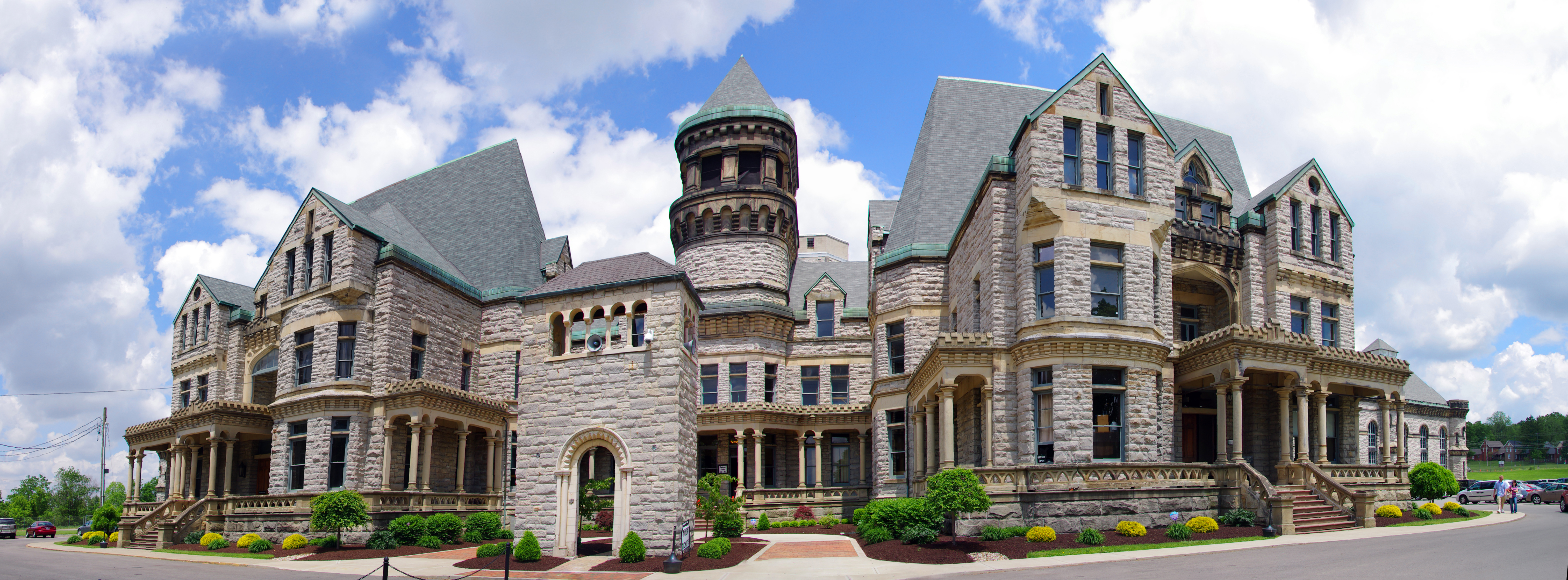
The front of the Ohio State Reformatory in Mansfield, the building that plays Shawshank State Penitentiary.
Producer Niki Marvin spent five months looking at prisons across the United States and Canada. What she wanted was a building with no period attached to it and nobody in it, and this one had been sitting empty since the court order took effect.
Most of what happens indoors in the film happens in the administration building: the admittance and orientation rooms, the warden's office, the parole board hearings, the showers, solitary, the library, which is a storage room now. The room where Brooks lodges after parole, and where Red later takes the same bed, is the warden's quarters in this building. The boarding house it stands for is a separate building downtown, and only its outside is in the film. One cellblock scene was shot in a real cell, the one where Elmo Blatch tells the story of the murder Andy is serving two life sentences for. Darabont's account of the rest is short: the cells were too small to fit a camera crew into.
The complex ran to fifteen acres in 1993 and all of it was standing when the crew arrived. The outer buildings and the twenty-five-foot wall that appear on screen came down not long after the shoot. What is left is the administration building and the two cellblocks, and there is a trap in that for anyone arriving with a camera. The east block, six tiers and six hundred cells, which the county visitors bureau bills as the world's tallest freestanding steel cell block, is the photograph everybody takes, and it is not in the film. The fake sewer pipe Andy crawls out through is, and it is still propped up on a low platform inside.
Two other productions worked here while the place still held prisoners: Harry and Walter Go to New York in the mid-1970s and Tango & Cash in 1989. The last warden, Eric Dahlberg, met the second crew with three refusals: no escape scene, no inmates as extras, nothing shot in one particular corner of the yard. The crew wanted all three, and what unlocked them was $100,000 of computer equipment for the new prison going up next door. Air Force One came four years after Shawshank and left something behind. In the room the film used as the prison cafeteria there are large portraits of Lenin and Stalin, left on the wall after the 1997 shoot. Escape Plan: The Extractors, Judas and the Black Messiah, Shelby Oaks and The Wind is Watching have all filmed here since, and Godsmack shot the video for "Awake" in the building in 2000.
The preservation group that bought it for a dollar started general tours in 1996 and opened a museum inside in 2019, five rooms of props and costumes and set pieces. A count published in 2024 put attendance at about 170,000 a year. The walking tour goes through the building and takes an hour and a half. There is also a bus, running from spring into late autumn, over-13s only, which takes in ten Shawshank filming locations around Mansfield. From Labor Day into November the ordinary tours stop and the building is given over to a haunted attraction.
The state's historical marker stands on the drive. It has the reformatory substandard by the 1970s, closed in 1990 and a setting for motion pictures ever since, and then its last line goes somewhere else: the building was put on the National Register of Historic Places in 1983, seven years before the last man left. Outside the walls is a cemetery for men who died inside and whose bodies nobody claimed; their graves carry serial numbers instead of names. Tim Robbins, talking to a reporter on the set in 1993, took the numbers for the plainest statement of how the place had been run.
The Shawshank prison cellblock was made of wood
The former Westinghouse Electric plant, East Fourth and East Fifth Streets, Mansfield
Darabont wanted the cells facing each other, which the real building does not do, so the tiers were built from scratch. Production designer Terence Marsh's replica ran to four storeys of wood, fibreglass and plastic, put up inside a Westinghouse building that had shut down along with the rest of the plant. Construction coordinator Sebastian Milito told the local paper in July 1993 that this was not a typical Hollywood set and that the floors were built to engineering specifications, able to carry the load of hundreds of men. The detailing went down to names on the wall, peeling paint and imitation rust.
Two accounts published five months apart in 2011 contradict each other: one has the abandoned factory still standing with the sets long gone, the other has the warehouse used for the film recently torn down. The set itself is gone either way.
The escape was made the same way. The muck inside that sewer pipe was water, chocolate syrup and sawdust. The stream Andy comes out into was real, and a chemist certified that water toxic, so the crew dammed it to run deeper and chlorinated it, which took out some of the poison and not all of it.
Brooks steps off the kerb here on his way to the boarding house and flinches back from a car, under the line about the world having got itself in a big damn hurry. It is a working street corner, 82 m from the Bissman Building, and in the film the two are one continuous move.
Bissman Building, 193 North Main Street
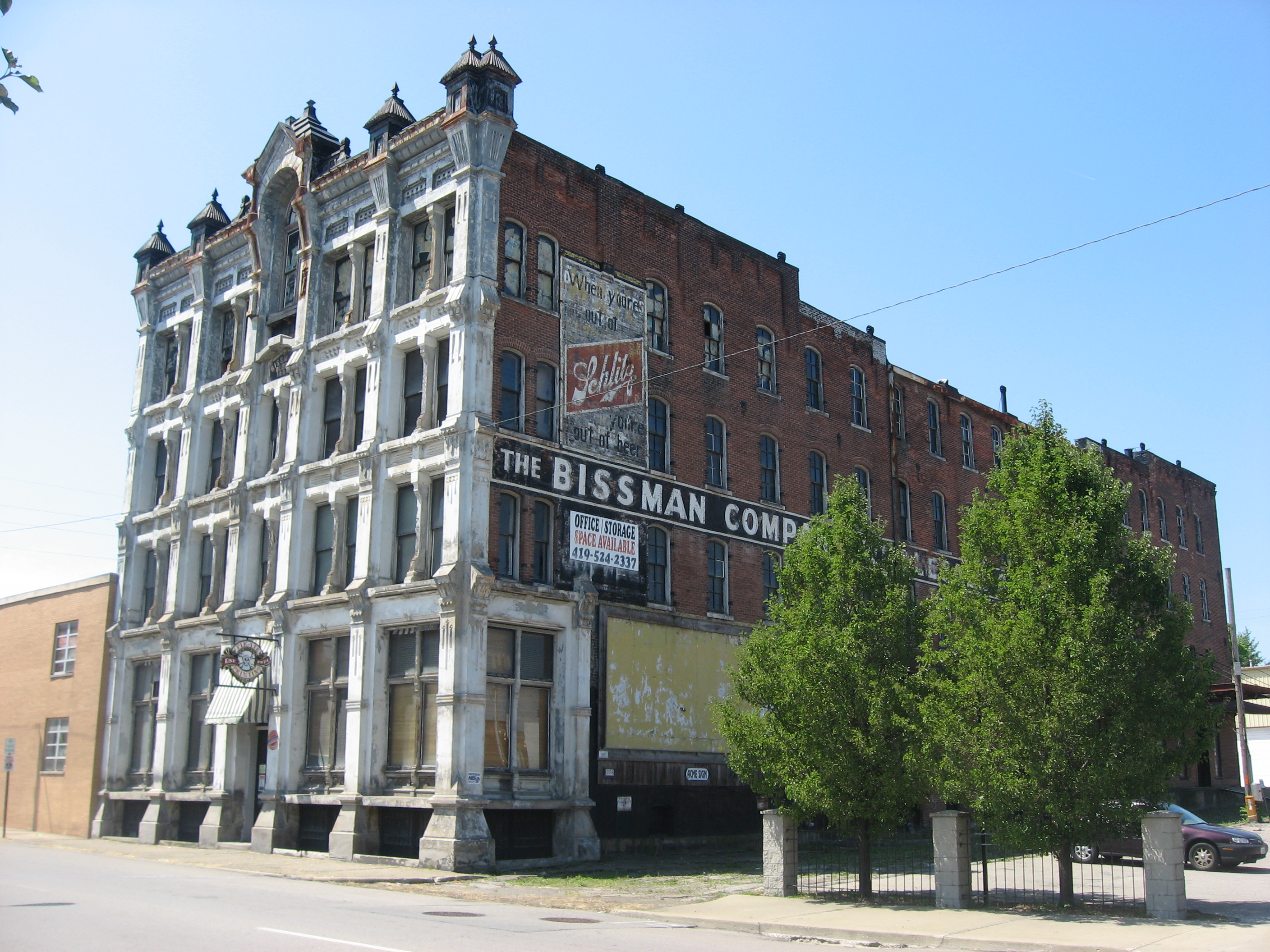
The Bissman Building at 193 North Main Street, Mansfield. Its front is the Brewer Hotel where Brooks lodges, and also the office of the Portland Daily Bugle. Only the outside: Brooks's room is inside the prison.
The front of this brick warehouse is the Brewer Hotel, where Brooks is put up after his parole and where he hangs himself, and where Red is later given the same room. It is also the Portland Daily Bugle's front office, the paper Andy posts the warden's ledger to. Only the outside: the room is back at the prison.
Peter Bissman built it in 1886 for a wholesale grocery business, and people downtown in the early 1930s knew it by smell, coffee blends in the morning and roasting peanuts in the afternoon. The county bureau's trail puts the same architect on this warehouse and on the prison, and the years fit: work at the prison began in 1886 as well. The building is closed to the public and the movie-site sign is off the wall during street works, so this one is a photograph from the pavement.
The Food-Way, where Brooks and then Red bag groceries under a manager who wants to be asked before anyone uses the toilet. It was the E&B Market when the film shot here, and it has been more than one supermarket since. It is still a full-service grocery, with Shawshank murals painted inside and out.
Central Park, Mansfield
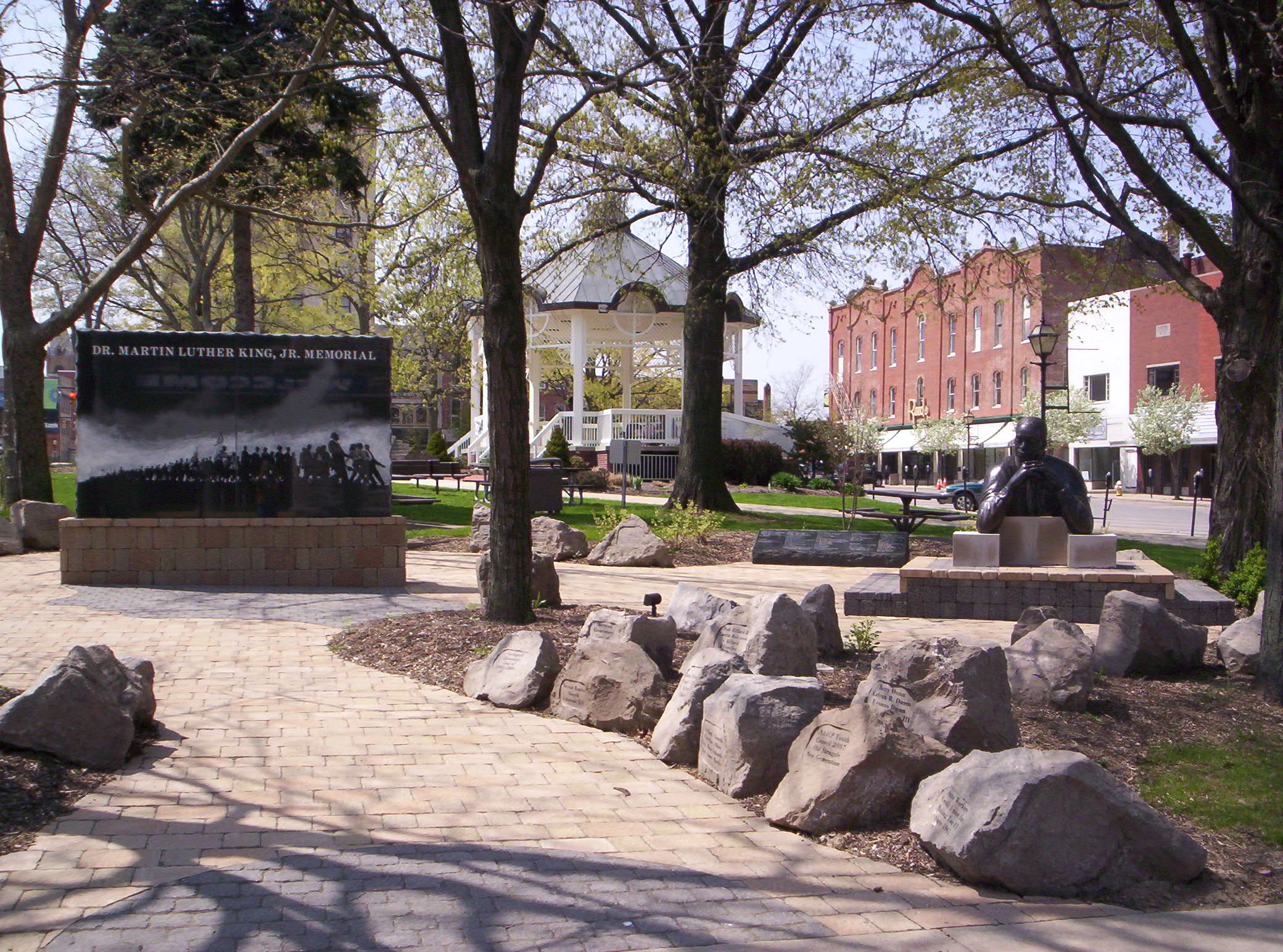
Central Park in downtown Mansfield, where Brooks feeds the birds. This view shows the Martin Luther King Jr memorial, not the bench; the bench a visitor sits on today is a replica west of the gazebo, and the gazebo stands where the film's bench was.
Brooks feeds the birds on a bench here, waiting for a crow that does not come. The bench in the film is gone. A gazebo stands on the spot where it was, and the bench people sit on for photographs is a replica a few steps west along the paved walk, with a plaque on it.
That is close to what happened to the bench in Forrest Gump, released the same year: the prop was carried into Chippewa Square in Savannah for the shoot and carried out again, and people still come to the square looking for it.
Mansfield Antiques Gallery, 118 North Main Street
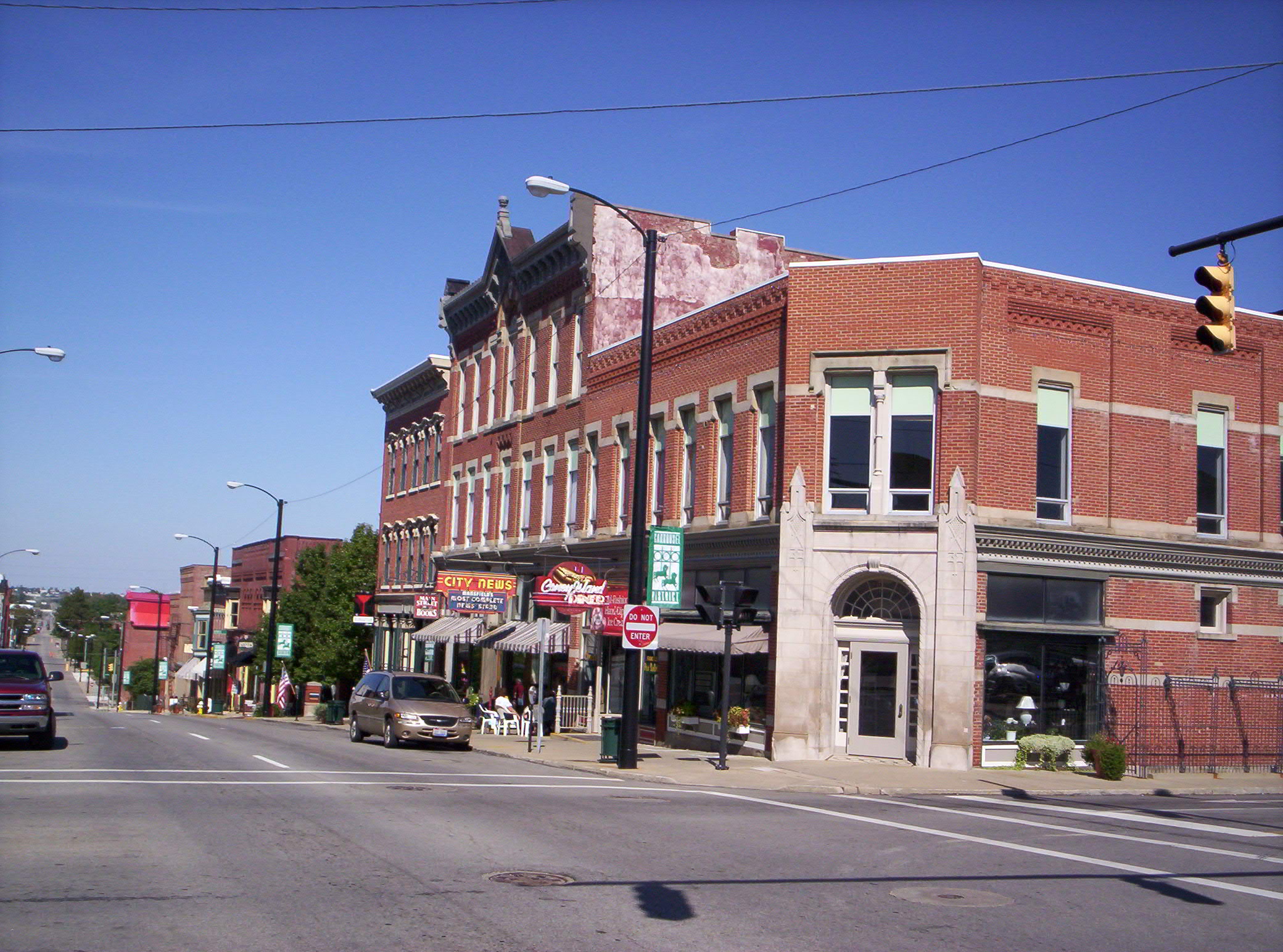
North Main Street in Mansfield's Carrousel District. The antiques shop with the pawn shop window is on this block; the Bissman Building and the crossing where Brooks steps off the kerb are two blocks further north.
Red looks through the window of a pawn shop and sees the compass that sends him to Buxton. The window is on this block of North Main, in the Carrousel District, and the shop behind it is open, selling antiques rather than pledges.
Renaissance Theatre, 138 Park Avenue West
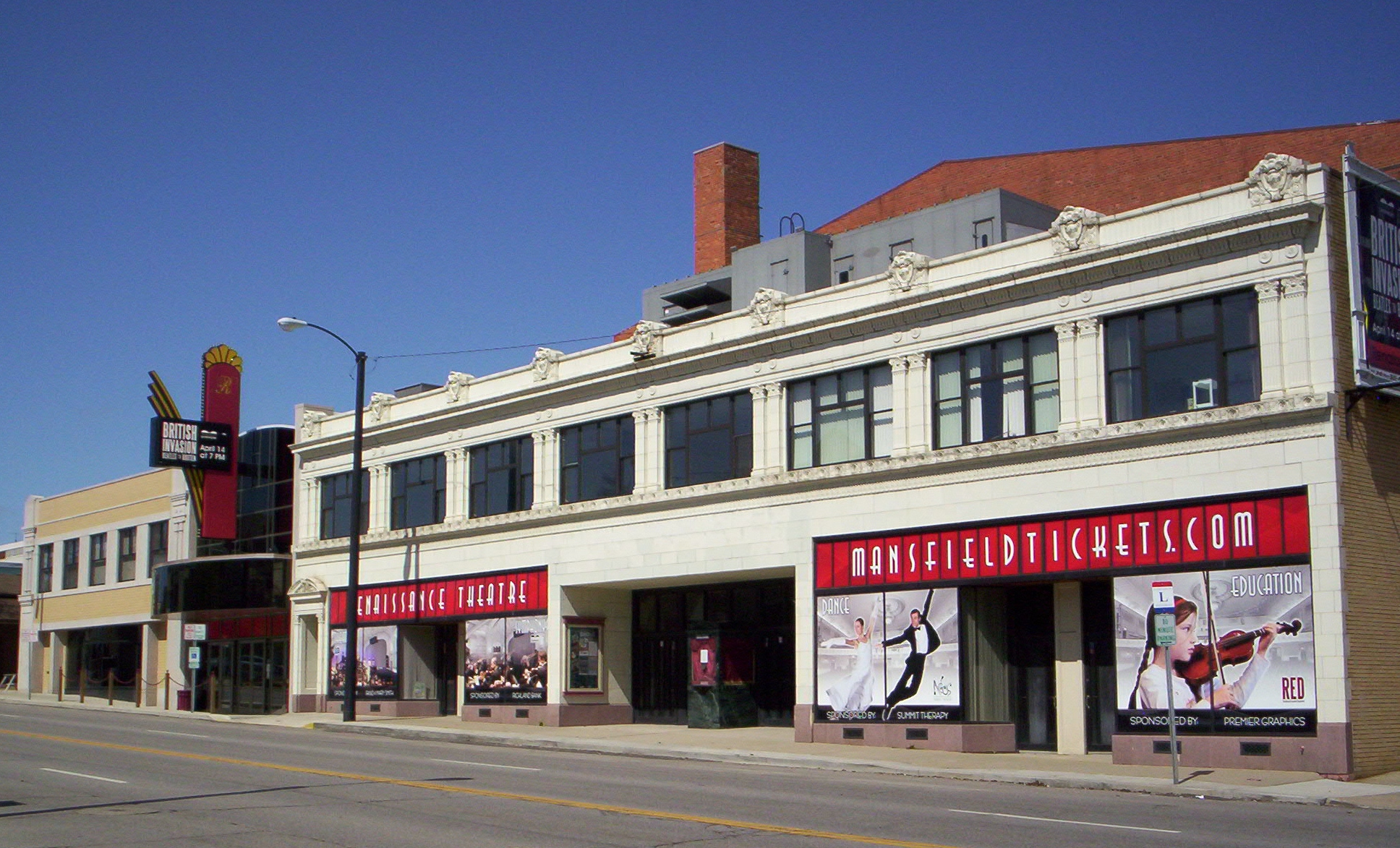
The Renaissance Theatre, 138 Park Avenue West, Mansfield — a 1928 movie palace. Nothing was filmed here; this is where the film had its first public showing, in September 1994, before Toronto and before the general release.
Nothing was filmed here. This is a 1928 movie palace, and Mansfield saw the picture in it in September 1994, one of two premieres that month; the other was the Toronto film festival, and the limited release followed on the 23rd. It is a stop on the trail with no scene in it, and not the only one: the route also takes in Malabar Farm's big house, where Bogart and Bacall were married in 1945 and where two of the film's actors were given a tour while the shoot was on.
An hour west
Wyandot County Courthouse, Upper Sandusky
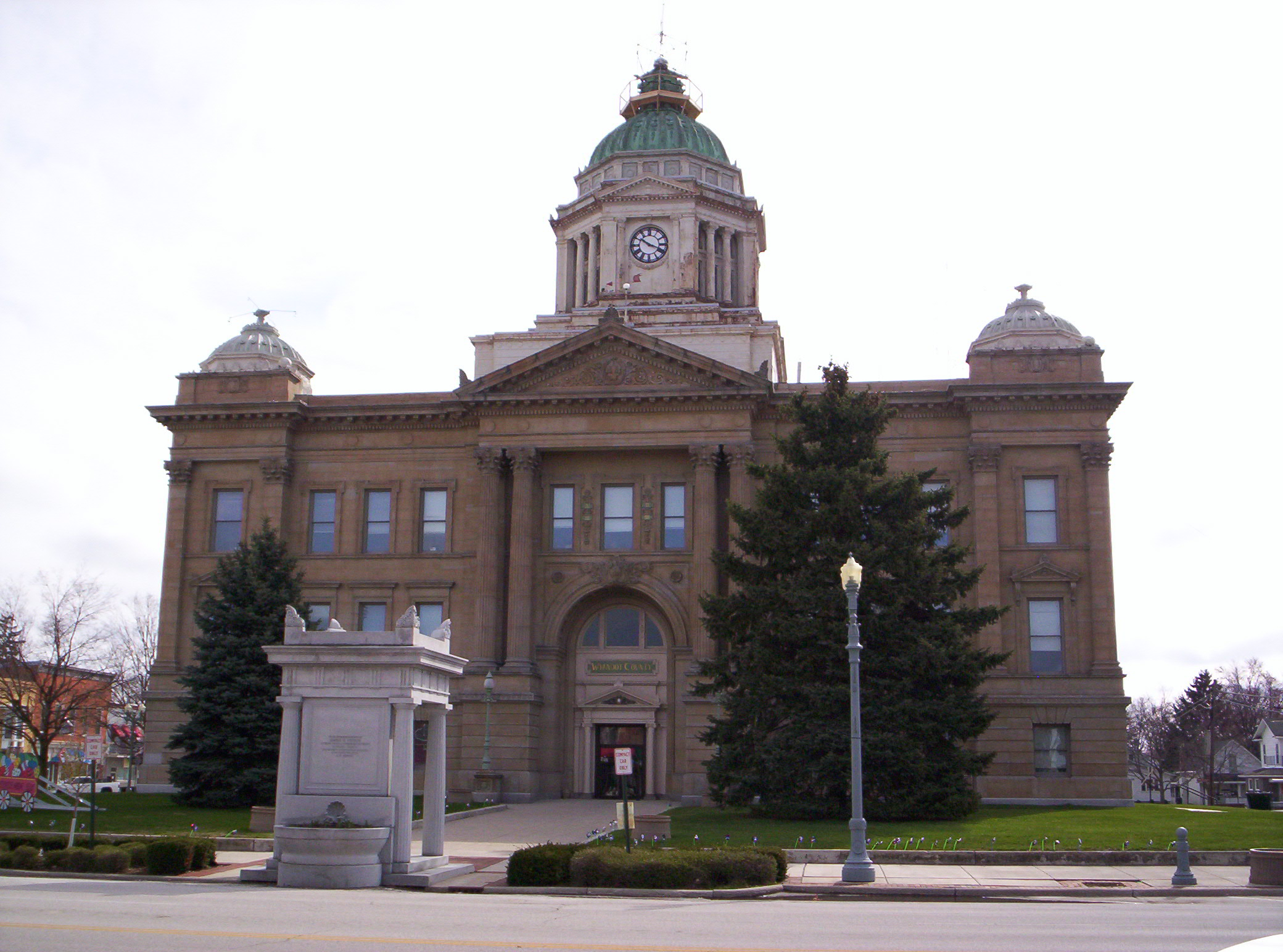
The Wyandot County Courthouse in Upper Sandusky, where Andy is sentenced in the opening minutes. It is a working court; the courtroom is shown to visitors only when it is not sitting.
The opening trial, and the two consecutive life sentences. The screenplay dates the trial to 1946 and puts Andy inside Shawshank early the next year. It is 65 km west of the prison and it is a working county courthouse, which sets the terms of a visit: the courtroom is only available when the court is not sitting, so the trail asks people to phone ahead. The number it gives belongs to a man in the same town.
The Shawshank Woodshop, 226 South Eighth Street, Upper Sandusky
Under four hundred metres from the courthouse, 0.3 miles by road. The prison wood shop is here, which means the scene where the Marriage of Figaro comes over the tannoy and, as Red puts it, every last man at Shawshank felt free, was shot 65 km from Shawshank.
Bill Mullen owns the building and has turned it into a museum you visit by appointment. He has the screen-used vehicles, including Andy's prison bus, and Bogs's wheelchair and ambulance, and he calls the place Shawshank West. He is also the phone number for the courthouse, and in 2011 he was the man explaining to reporters what the ants had done to the inside of the oak tree.
Two doors in Ashland
19 West Main Street, Ashland
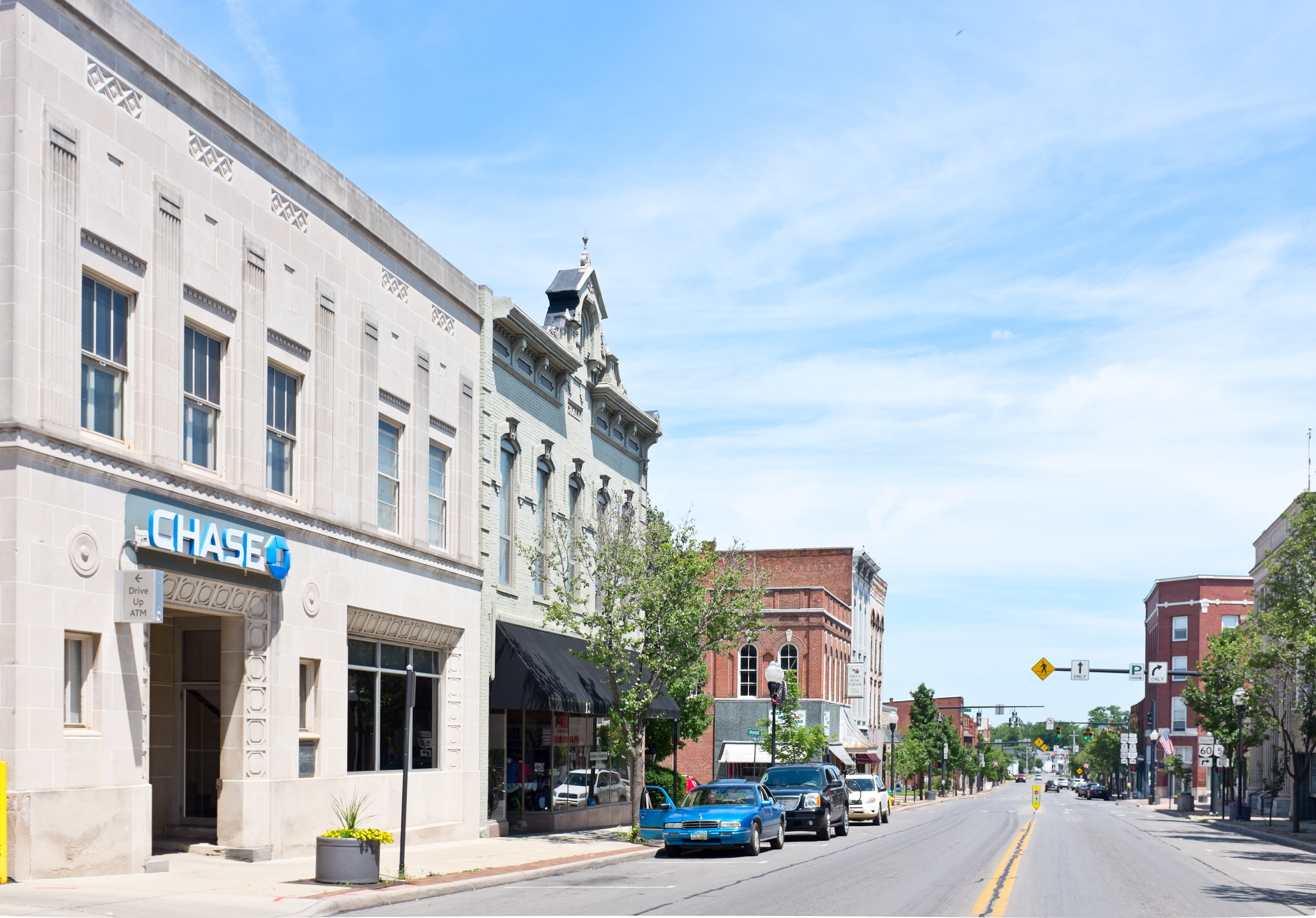
Main Street in Ashland, the town nineteen miles from Malabar Farm that supplies two locations: the bank Andy empties and the bus station where Red buys his ticket. This is a general view of the street, not of either building.
Andy in the pinstriped suit, closing out Randall Stephens's accounts and handing the teller a letter for the outgoing mail. The Freer brothers started a private bank in this building in 1874 and it became the Farmers Bank in 1917. The vault door weighs thirteen tons. It came from Akron behind eight horses and was slid off the wagon on planks greased with a hundred pounds of bananas; the hinges alone are three tons. The door, the teller line and one of the upstairs offices are in the film.
It is a financial advisory office now, and the trail asks visitors to call before arriving rather than walk in on someone's meeting.
Red queues for a ticket and asks for Fort Hancock, Texas. The bus station is a thrift store now, two hundred metres from the bank.
The road to Buxton is in Butler, Ohio
Once Red is out, the film sends him to Buxton: a real town in York County, Maine, next door to Scarborough, with about eight thousand people in it. What the story does there is invented: the hayfield, the length of stone wall, the oak. The setting of The Shawshank Redemption has a hole in the middle of it. The novella never says where Shawshank prison is supposed to be, beyond southern Maine, less than thirty miles from Buxton. The film does not name a town either. Castle Rock, King's usual Maine town, turns up once in the novella, as the place Red came from; the Bangor Daily News puts the prison itself there. The book and the film are set in different years: the film has Andy inside in 1947 and out in 1966, while in print he arrives in 1948, goes out through the wall on 12 March 1975, and Red is paroled in 1977.
There is no real Shawshank prison, but Maine has its own candidate for the original. The old state prison at Thomaston, opened in 1824 and closed in 2002, is named as the model by the Bangor Daily News; a magazine piece from 2003 called the same claim local lore. The novella works against it twice over: Thomaston is in the book as a separate prison, the one Warden Norton threatens Tommy Williams with, and it stands seventy-four miles from Buxton, where the story allows less than thirty.
Butler, Ohio stands in for Buxton, Maine. Red gets out of the red pickup at this crossroads and starts walking; the shot looks straight down Snyder Road. It is 20 km south of the prison, open country. There is nothing here to go into: the location is the crossing and the road running away from it.
The bus going away over the hill, 1.2 miles from the last corner. The trail's advice here is a safety instruction as much as a viewing one: stand on Hagerman Road and look left onto the state route, rather than stopping on the state route itself.
Zihuatanejo is in the Caribbean
The town Andy talks about is real, and it is where he says it is: Zihuatanejo, on the Pacific coast of the Mexican state of Guerrero, about 240 km up the coast from Acapulco, and the fourth largest city in the state. Mexico made it a Pueblo Mágico in 2023. The film's version of it lies 3,880 km to the east.
Sandy Point National Wildlife Refuge, St. Croix
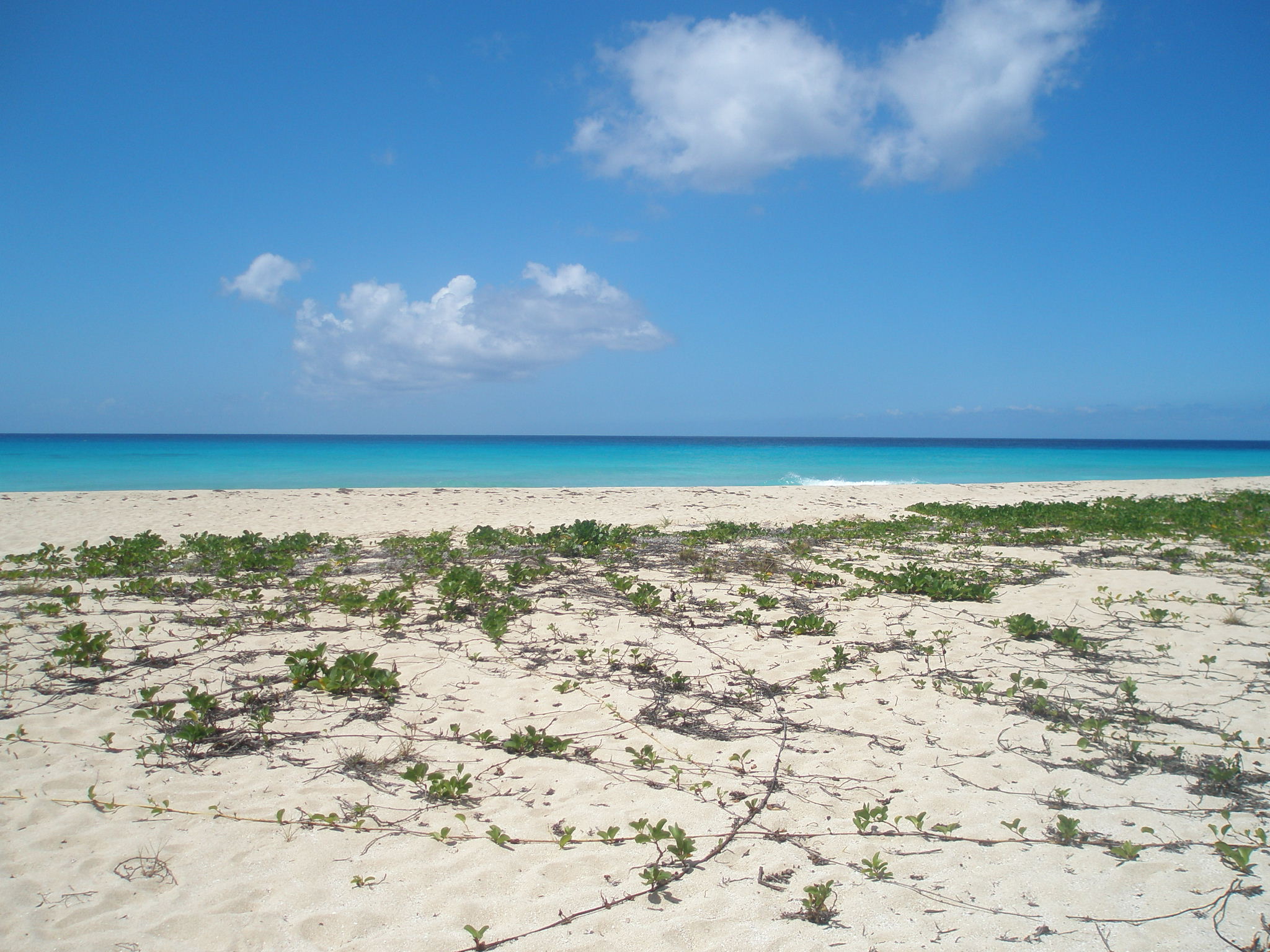
Sandy Point National Wildlife Refuge, St. Croix — the beach that plays Zihuatanejo. The last shot of the film says the Pacific coast of Mexico; the water here is the Caribbean.
The last shot of the film, Red walking up the sand towards Andy and the boat, was made in the U.S. Virgin Islands, on the south-western tip of St. Croix. The screenplay sends Andy to Mexico once besides the beach: a red convertible on a highway, a cigar in his teeth, the warm wind in his tie. No source names a Shawshank filming location anywhere in Mexico.
The refuge covers 383 acres and holds the longest continuous beach in the Virgin Islands, three quarters of the territory's largest salt pond, a prehistoric archaeological site, and the biggest leatherback turtle nesting ground in the United States. The turtles set the calendar. The beach is closed to the public from April through August for the nesting season, and open from September to March at weekends only, so the ending of the film is on sand nobody can walk onto for five months of the year.
The cabin and the oak, half a mile apart
Pugh Cabin, Malabar Farm State Park, Lucas
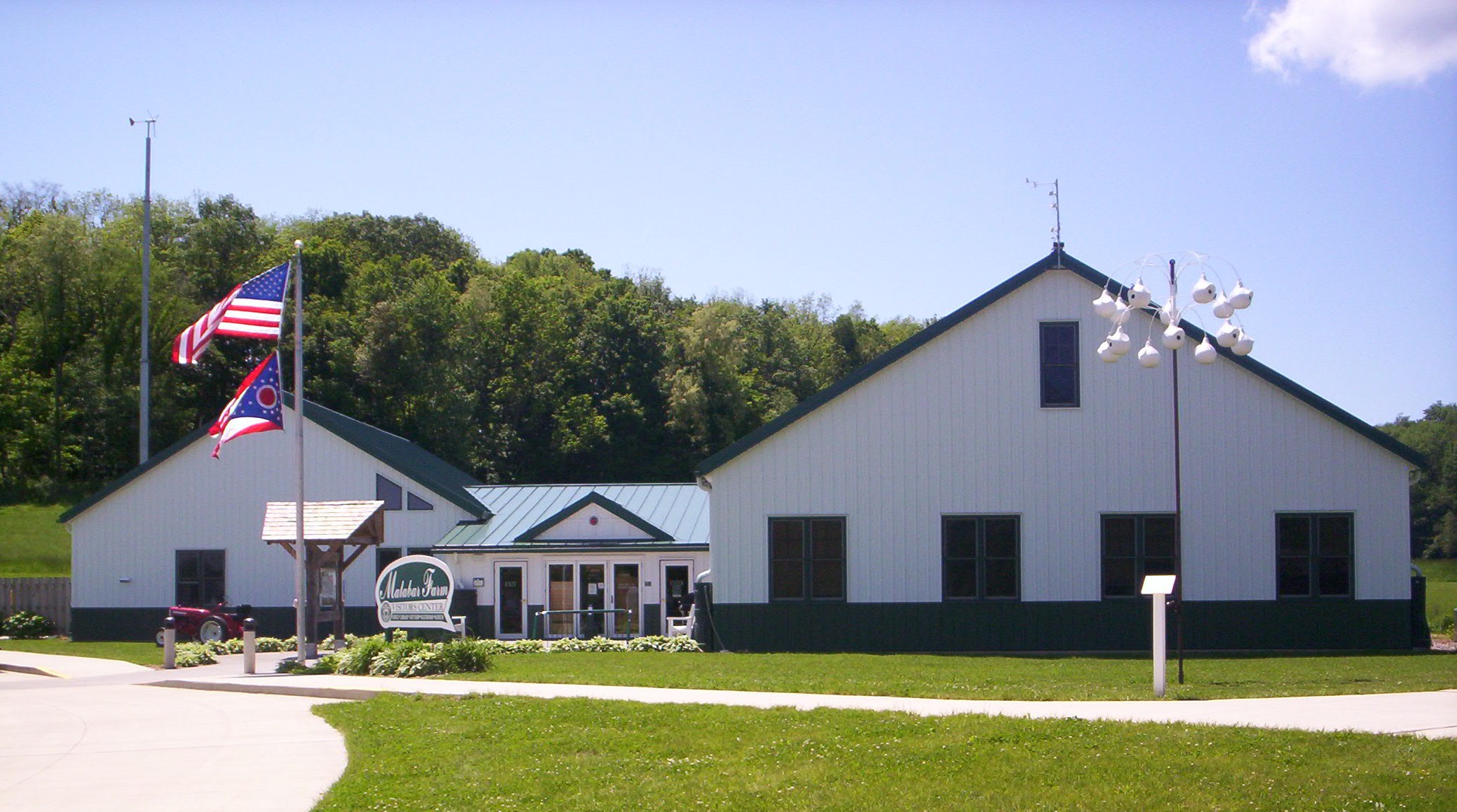
The visitor centre at Malabar Farm State Park. The trail asks visitors to check in here before driving the last 0.4 miles of dirt road to Pugh Cabin, where the film opens.
The film opens here, with Andy sitting in a car outside in the dark with a bottle and a revolver while his wife is inside with Glenn Quentin. The murder he did not commit happens in this cabin, on a night the screenplay dates to 21 September 1946.
Jim Pugh built it in the 1940s next door to Louis Bromfield's farm, from logs, with two sandstone fireplaces and a pair of chandeliers that came out of a Mansfield bank. It stands in a state park and costs nothing to see. The trail asks visitors to check in at the Malabar Farm visitor centre first; from there it is 0.4 miles of dirt road, or a mile on foot through the Doris Duke Woods, named for the tobacco heiress who bought the timber rights to that woodlot after Bromfield died in 1956.
Pleasant Valley Road, where the oak stood
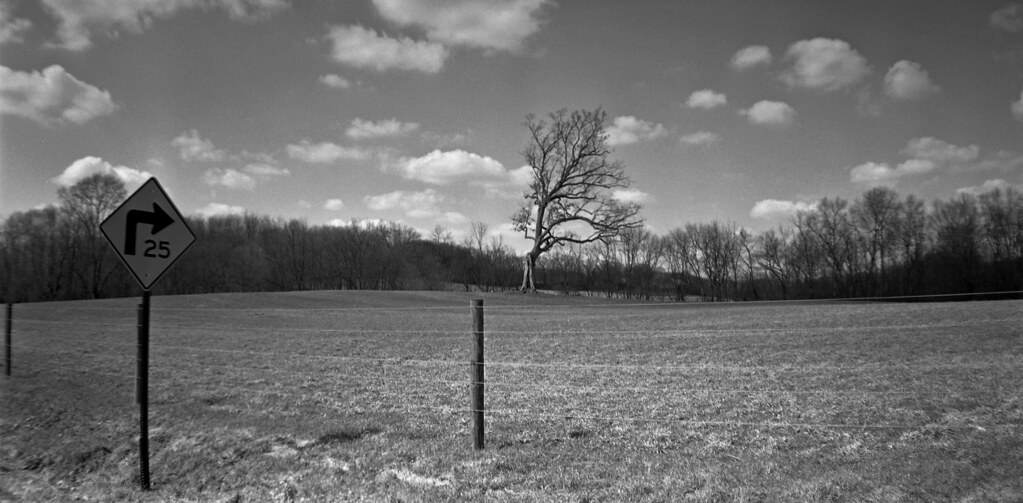
The oak in March 2013, photographed from Pleasant Valley Road across the wire fence — the only way anyone was ever allowed to see it. It had already lost half its crown to lightning in 2011. Winds took the rest in July 2016 and the landowner cut down the remains in April 2017.
Eight hundred metres north of the cabin, on the other side of the road from the park, Red counts fence posts along a hayfield, finds the stone wall and digs up the tin. The white oak he does it under was at least 100 feet tall and it stood in sight of the road, which is why people kept coming.
Lightning hit it on 29 July 2011 and half of it came down. The trunk turned out to be hollow: rot, and black ants that had eaten their way through the centre of it. It stood for five more years on what was left; a storm knocked that down on or about 22 July 2016, and on 9 April 2017 the landowner cut up the remains. The wood was made into rock hammers and magnets, first sold that year at the Shawshank Hustle, a road race named after the film.
The land is private and always was. The owner, a local attorney, put a fence up long before the tree fell, and people drove slowly down Pleasant Valley Road photographing it over the wire; the ones who could not find it walked into the state park gift shop across the road with a puzzled look, which is how the staff there knew what they were about to be asked.
The building got its stay. Nothing was ever arranged for the tree. The trail asks people not to stop on the road or climb the fence, and sends them to the pull-off in the field on the Malabar Farm side, which looks across a wire fence at a hayfield and the line of the ridge.