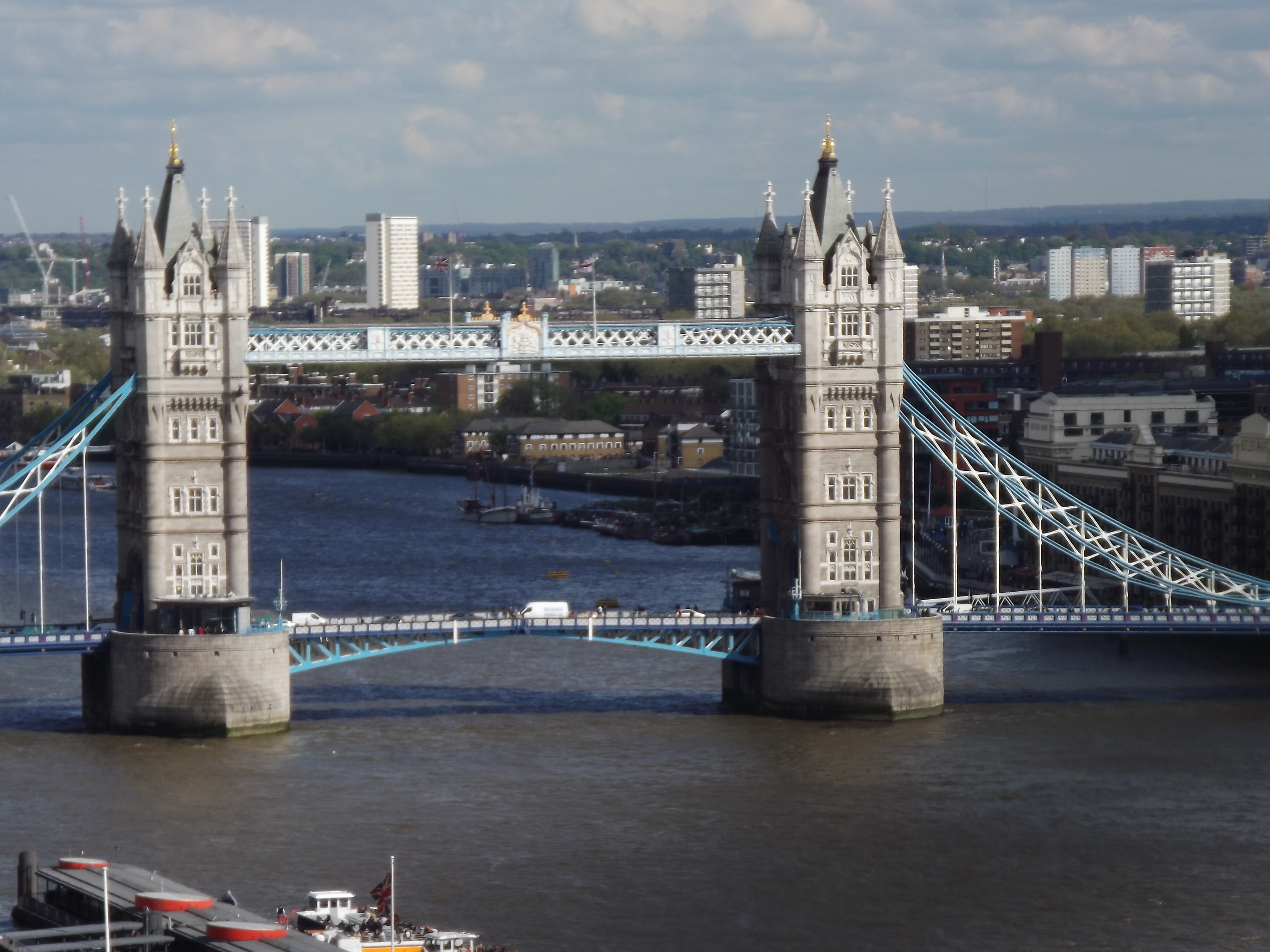
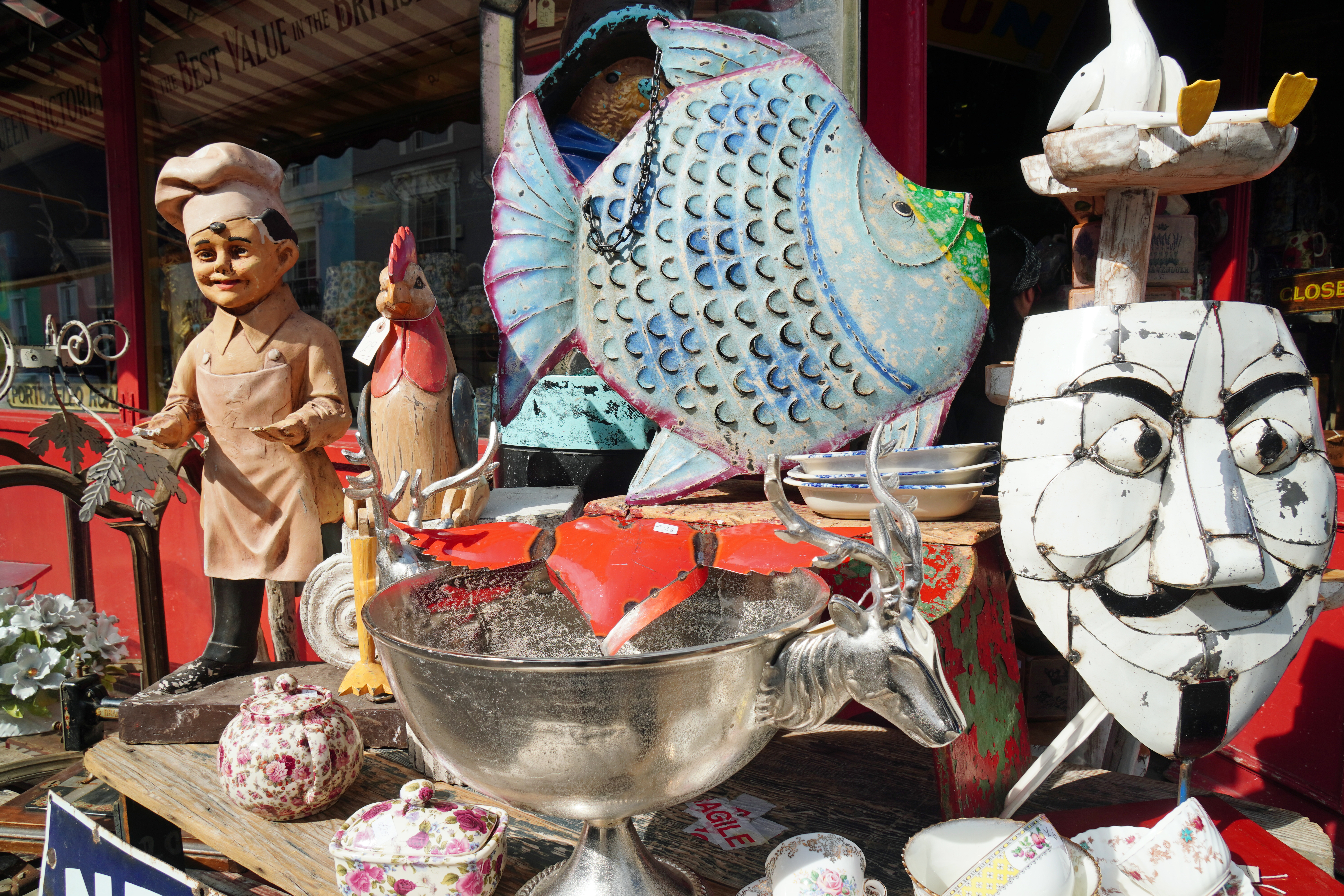
Paddington opens a pop-up book in an antiques shop on Portobello Road, and the London that stands up out of it is paper. The Tower Bridge on that page was drawn in a computer, and it had to be rigged to fold exactly like the paper prop in his hands, because the prop itself turns up again later in the film.
13
places on the route
Mostly London — switch areas with the buttons above. Click a point to jump to its entry.
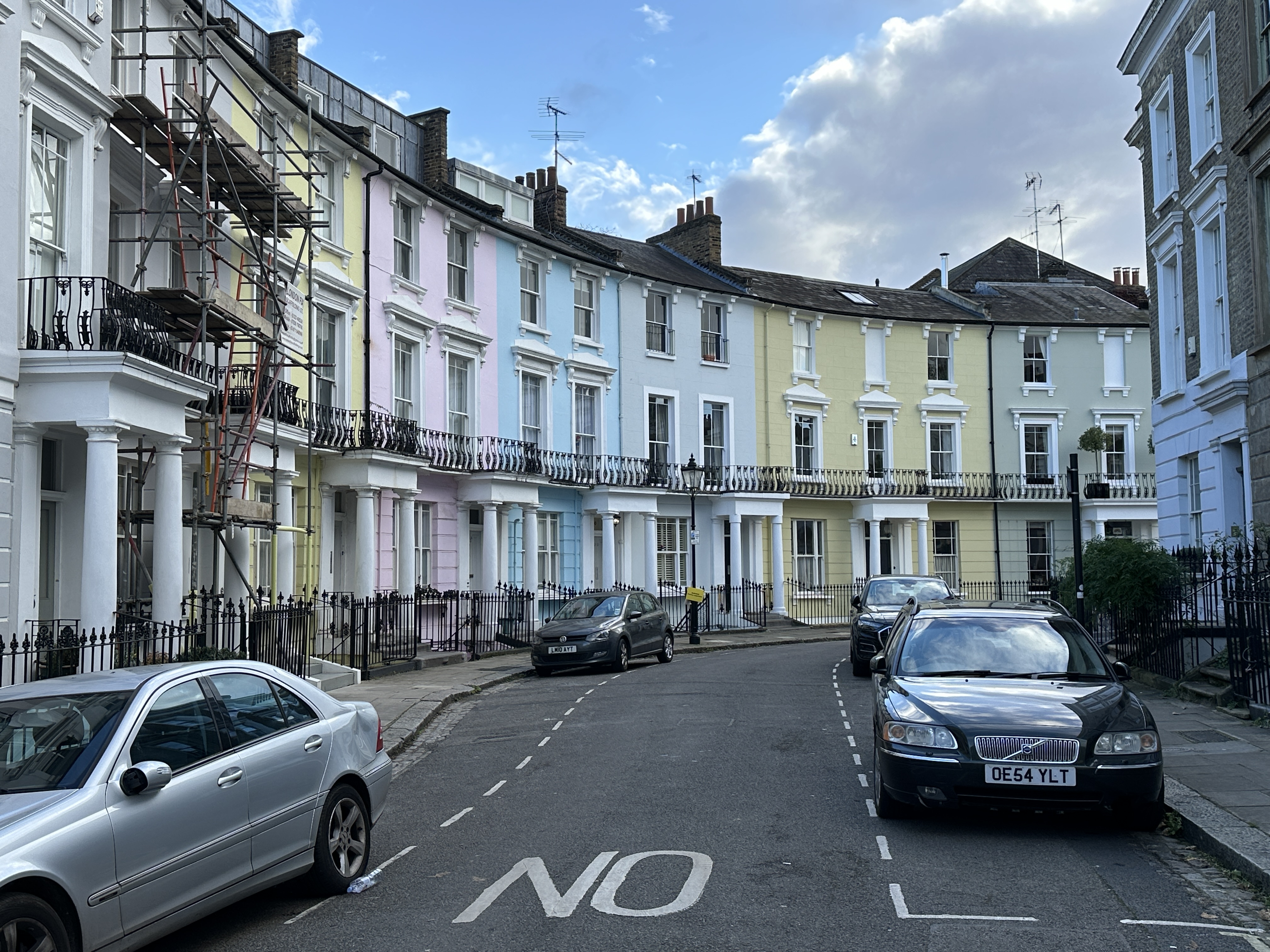
The rest of the film works the other way round: real streets outside, make-believe indoors. The Browns' front door is on a crescent in Primrose Hill and the rooms behind it were built on a stage. The prison is a Somerset gaol that has been shut since 2013, but the cell was rebuilt from nothing in the computer. The train chase ran on motorised platforms parked at a studio in Hertfordshire, under a sky flown by helicopter over the Lake District, and it crosses one real viaduct in North Yorkshire. Deepest, darkest Peru is a waterfall on the border between Brazil and Argentina. What is left is public street, and the units that worked it were small: thirty people on a canal towpath, thirty across four Clerkenwell streets, three days of closures in Little Venice. The street the Browns live in is the exception.
Real streets
Chalcot Crescent, Primrose Hill, London NW1
The colours are the real ones. This is why the production came back for a fortnight instead of four days.
Windsor Gardens. The Browns live at number 32, an address that does not exist; the crescent does, and the stucco fronts really are painted pink, cream and blue.
This was the largest thing the production did outdoors. Karen Everett, who runs the film offices in several of the London boroughs the shoot worked in, counted about a hundred cast and crew in the street, for two weeks, against four days on the first film.
None of it went inside. The domestic interiors, the Brown house included, were built on stages at Pinewood and at Warner Bros. Studios Leavesden. People live in these houses, and the film's front door is somebody's front door.
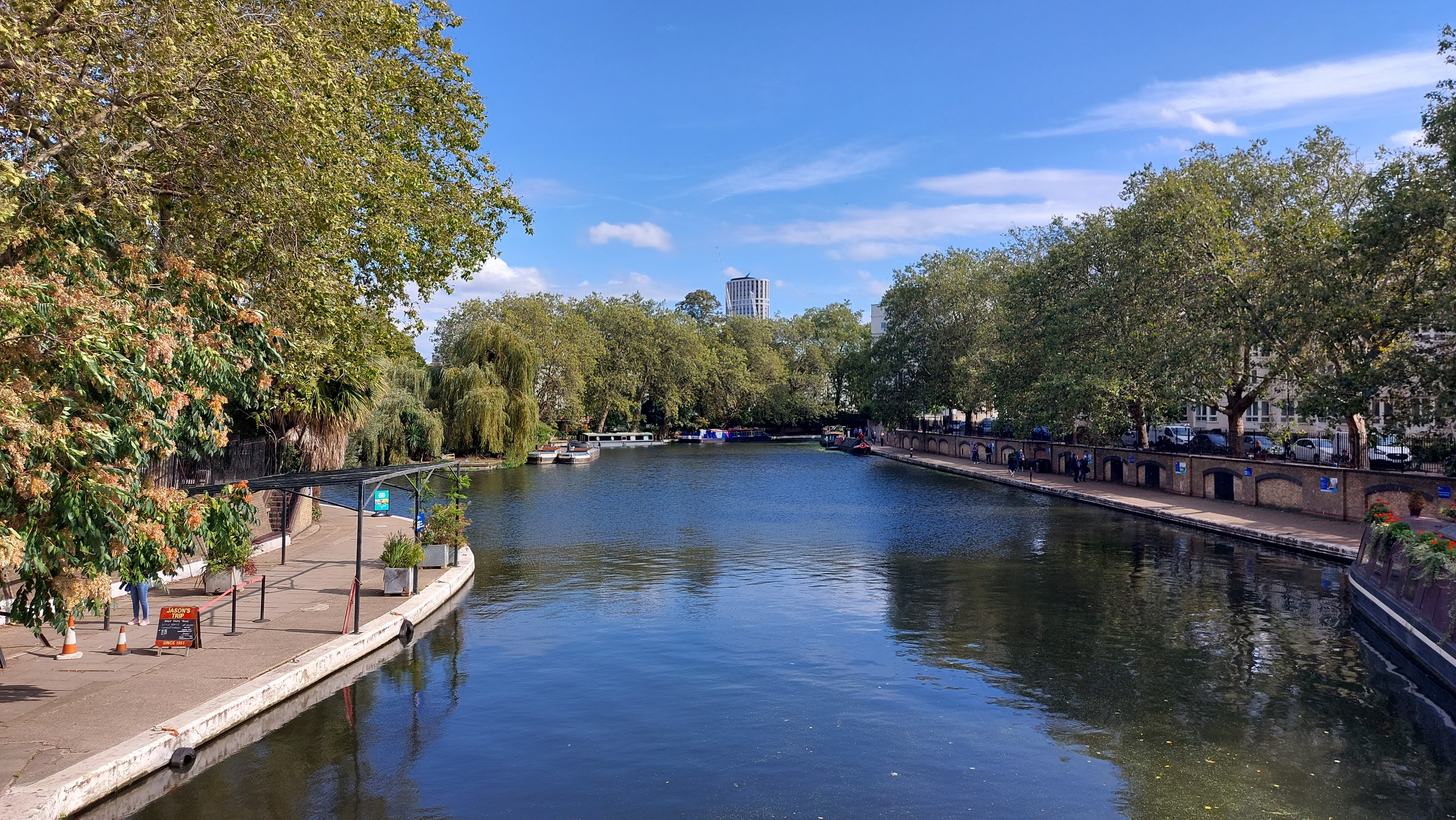
Warwick Crescent, Little Venice, London W2
Where the Paddington Arm of the Grand Union meets the Regent's Canal.
Three days in November 2016, with the towpath, the footpaths and the bridges along the crescent closed. Residents took their complaints about the shoot to the Evening Standard.
The place is the basin where the Grand Union's Paddington Arm meets the Regent's Canal: open water, moored narrowboats, a towpath that is a right of way, and a row of post-war flats behind the plane trees on the crescent itself.
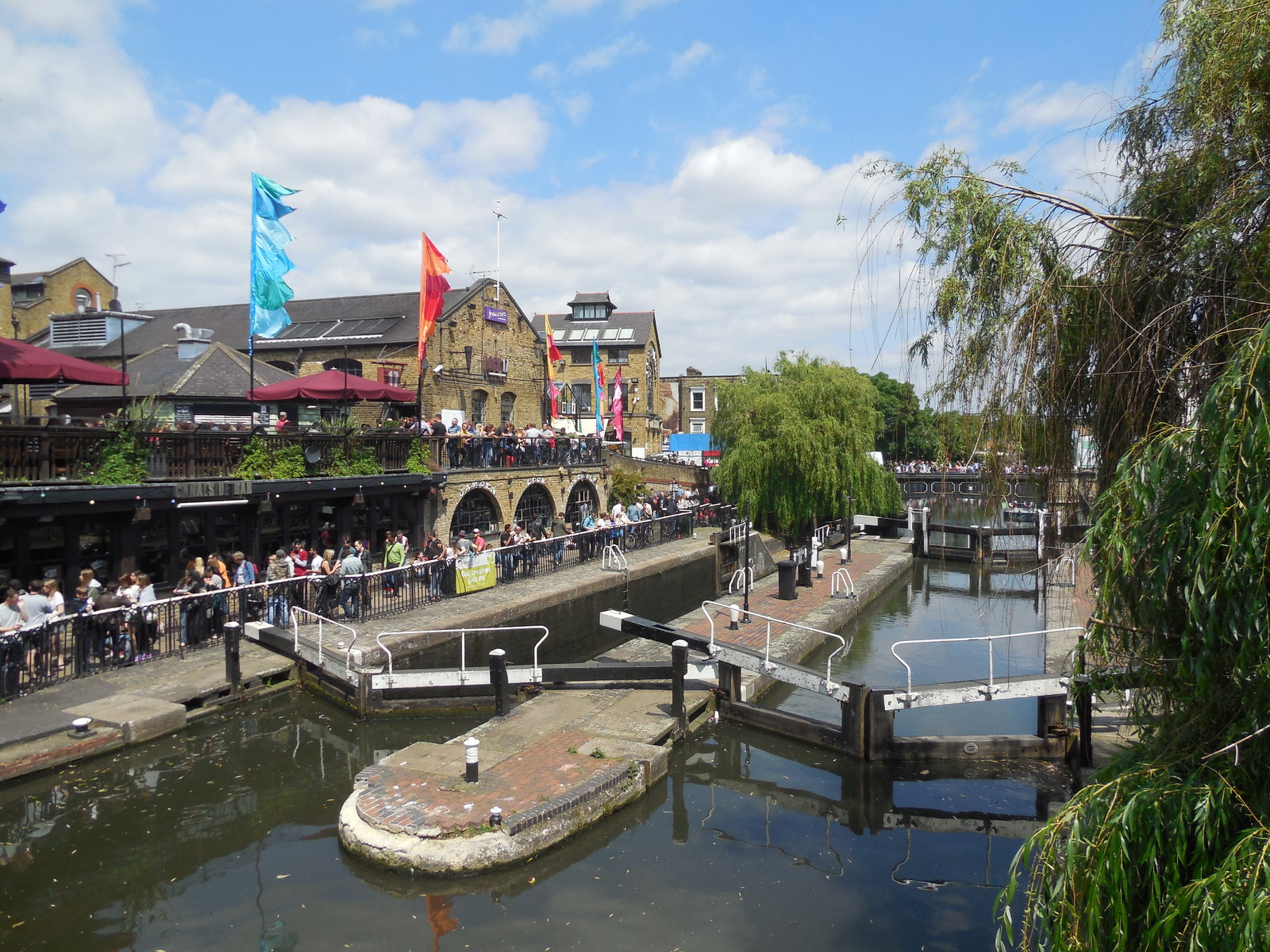
Regent's Canal towpath at Camden Lock, London NW1
Thirty crew filmed a chase along this towpath. On a weekend it looks like this.
Paddington chases a thief along the towpath. Thirty cast and crew, against the hundred in Primrose Hill.
Camden Lock's formal name is Hampstead Road Locks. The towpath here runs through the middle of Camden Market, and it stays a public right of way while it does it.
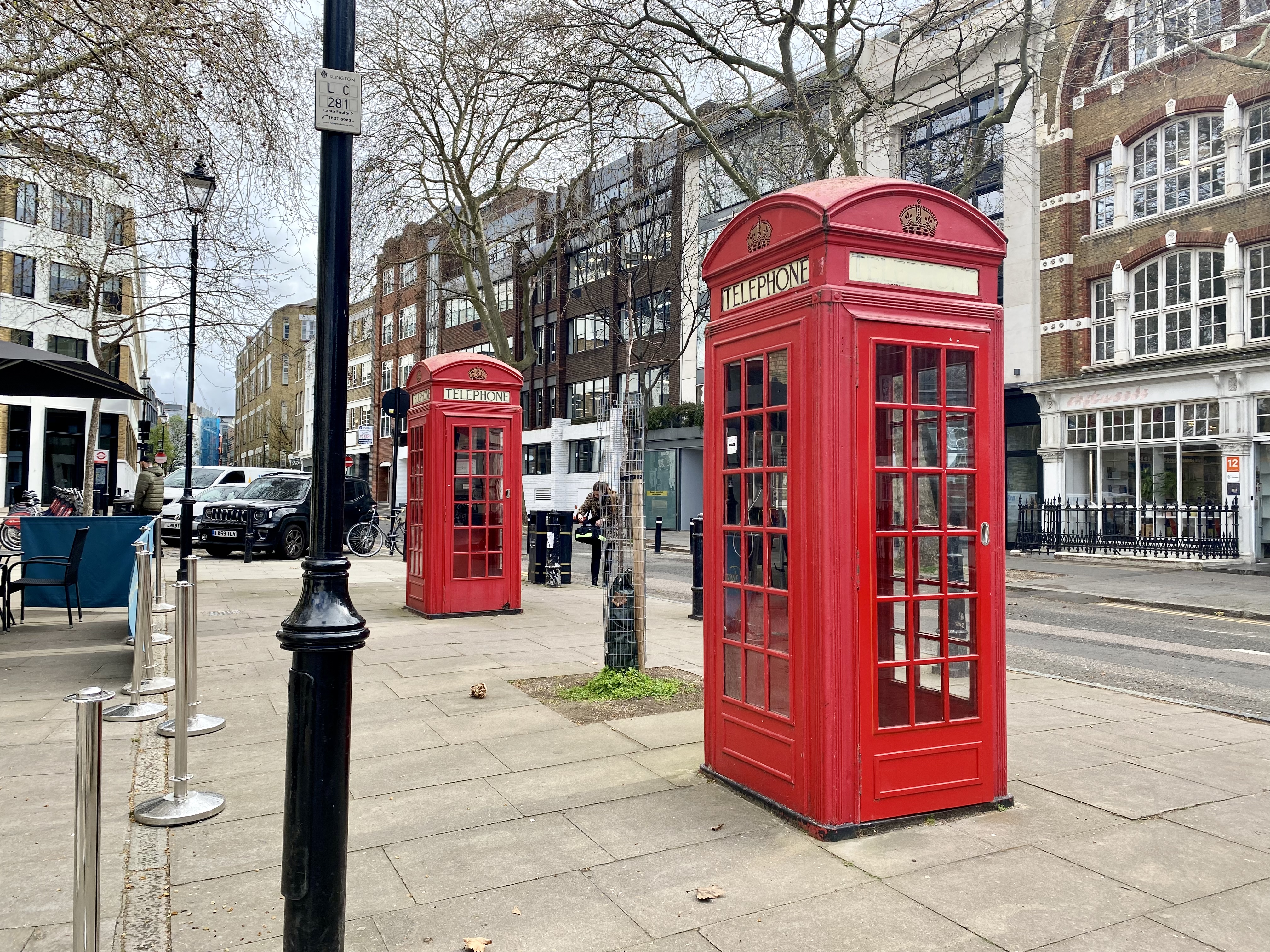
Clerkenwell Green, London EC1
Clerkenwell took the telephone-box scene. These are the K2 kiosks on the Green.
A telephone box, and posters going up around town. Four streets took those scenes: Jerusalem Passage, St John's Square, Clerkenwell Green itself and Rosebery Avenue, all within about three hundred metres of each other. Thirty cast and crew again.
The production made a donation to the Clerkenwell Green Preservation Society afterwards, by way of thanks to the neighbours. Two red K2 kiosks stand on the Green today.
Two landmarks the first film opened
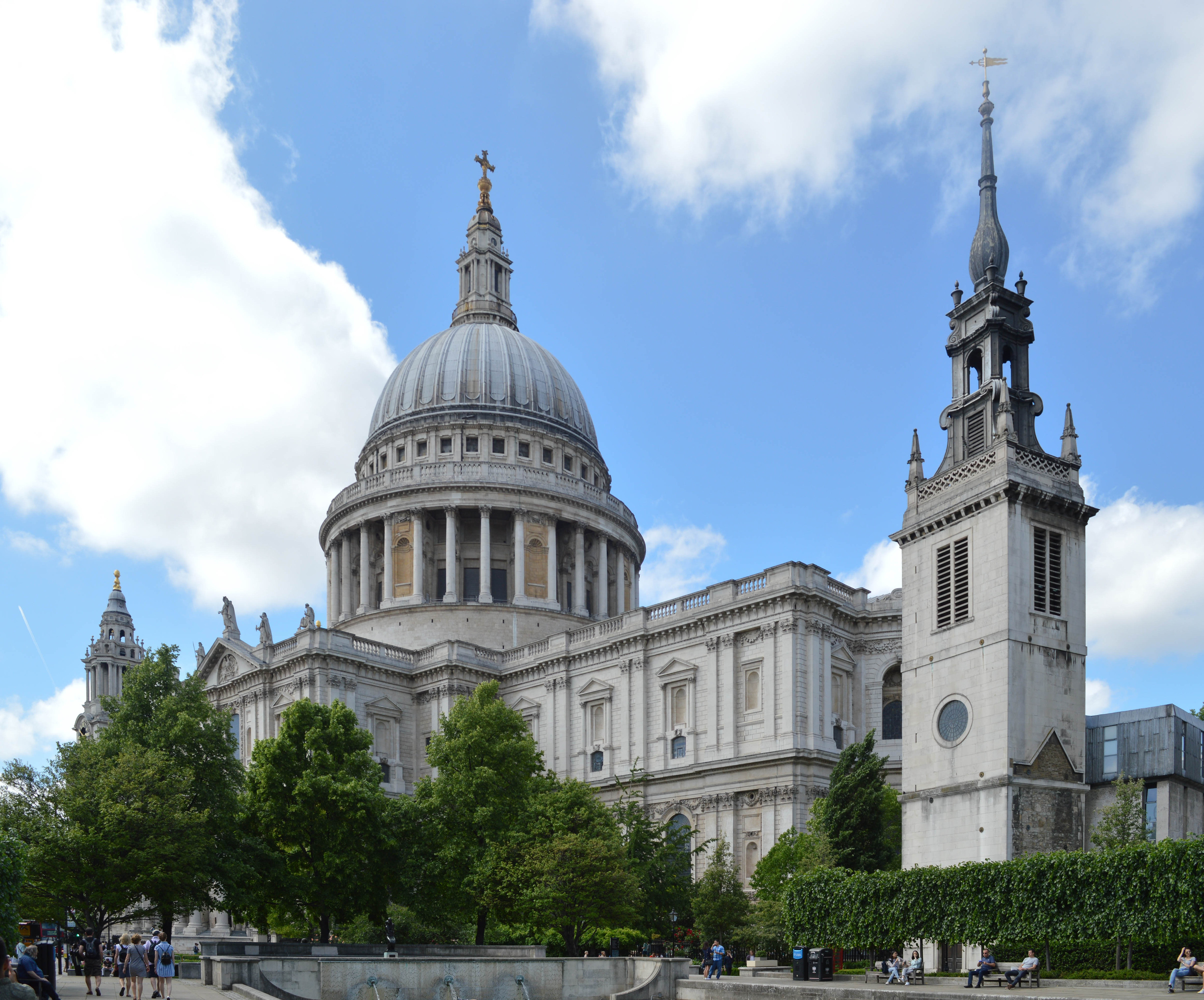
St Paul's Cathedral, St Paul's Churchyard, London EC4M 8AD
Photographed in May 2017, while Paddington 2 was still shooting.
The cathedral was closed to the public for filming for the first time in its history.
Five film units worked the building at once, and the production put the access down to the success of the first film. What they shot inside has never been published.
The bridge is in the film twice over. Once as itself, and once as paper, on the first page of Mr Gruber's pop-up book. Framestore's riggers built that page in the computer and had to match the way it opened to the practical paper prop, because the prop is seen for real elsewhere in the picture.
Crossing the bridge on foot is free and always has been. The high walkways and the Victorian engine rooms are a paid attraction run by the City Bridge Foundation.
Buildings hired to be other buildings
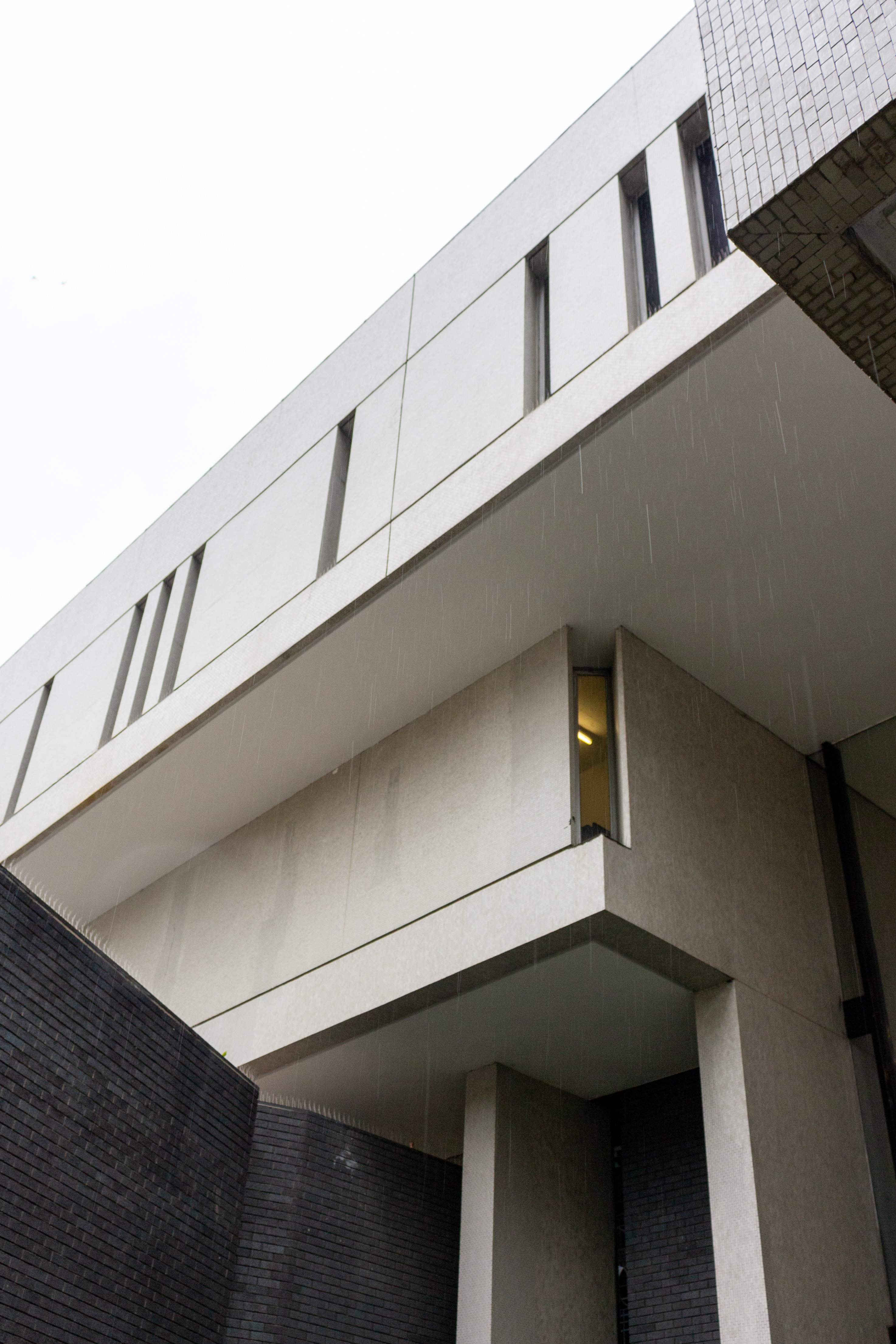
Royal College of Physicians, 11 St Andrews Place, Regent's Park, London NW1
Denys Lasdun, 1964. In the film this is a police station.
The police station. Paddington is arrested for the theft of the pop-up book and the Browns come here to clear him; the exterior and the reception play it. The building is Denys Lasdun's, finished in 1964: a white upper storey standing clear of dark blue engineering brick, on the edge of Regent's Park with a much older terrace beside it.
The building has a second career playing other institutions. Silent Witness turned it into the Royal Dutch Embassy. The Program used the Council Chamber as the headquarters of cycling's world governing body, which is really in Geneva. The Crown used the Lasdun Hall as the Queen's Gallery at Buckingham Palace. Mamma Mia! Here We Go Again used the Osler Room for a dinner set in Sweden. Wonder Woman 1984 used the exterior, the hall and the Council Chamber as the Smithsonian in Washington. Lockwood & Co. has filmed here too.
It is a working college and a commercial events venue. The museum and the Dorchester Library open to the public on set days; the rest is by arrangement.
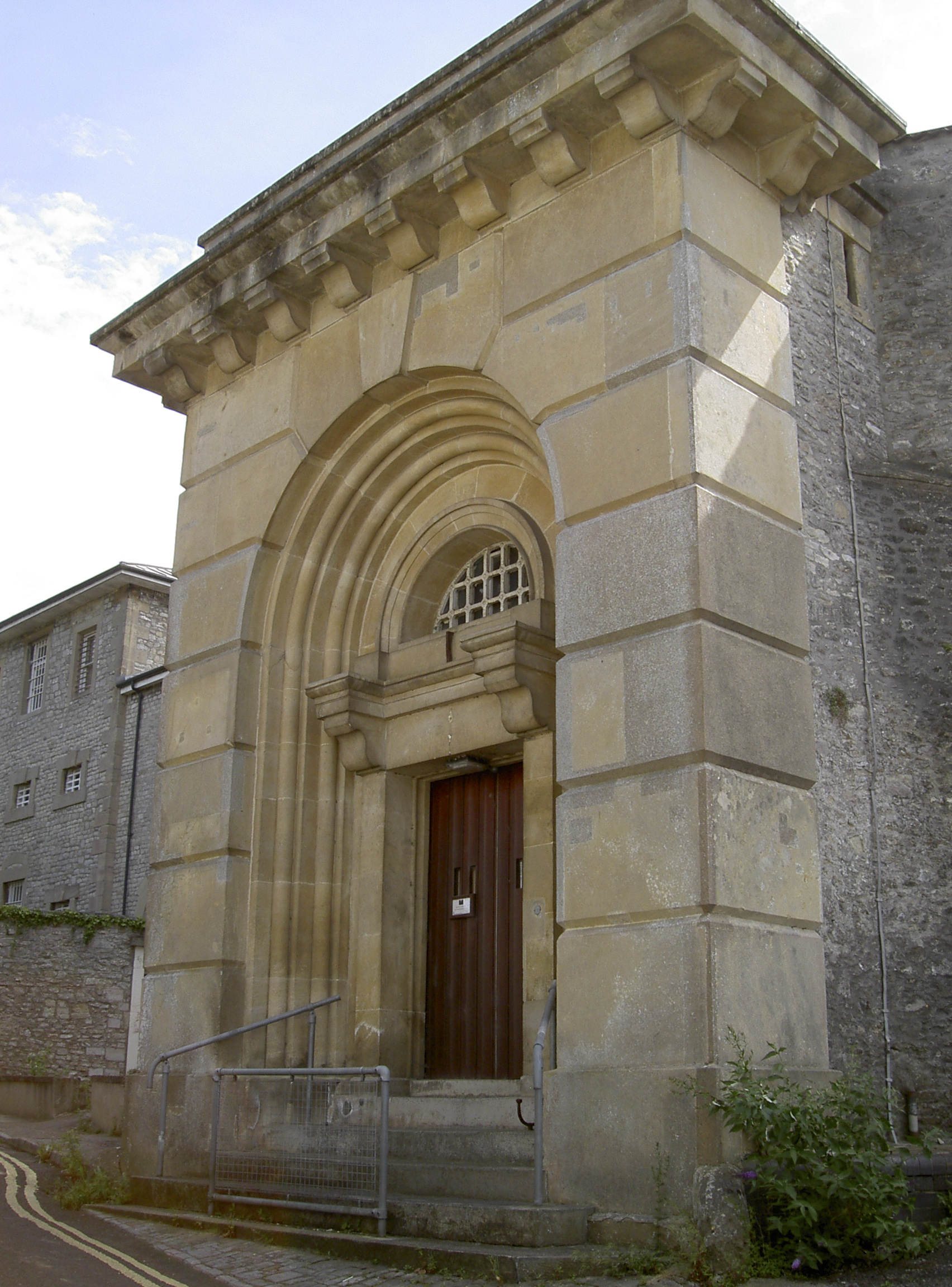
The prison Paddington is sent to, from the outside.
It is the oldest prison in Britain, in use from 1625 until it closed in 2013. The crew got in before the site opened to visitors in May 2017, which makes this one of the first productions the building ever took.
How much of the prison is in the film is disputed. The prison says two establishing shots. The English Wikipedia article says the interiors of the fictional Portobello Prison were filmed here. Against both stands the film's own visual-effects supervisor, who says the cell was rebuilt completely in the computer, and the contractor who built the sequence's oversize washing machines and laundry chutes in a workshop in west London.
More productions have followed. The riot in Casualty burned rolls of toilet paper in C-Wing. The Pale Horse used the chapel corridor as a police station and hid extras in the chapel toilet to keep them out of frame. The Trial of Christine Keeler, Des, Grantchester and The Outlaws have all shot inside it. The building takes visitors now, on guided tours and ghost tours, with escape rooms and nights in the cells, and it sells itself as the most haunted jail in the world.
The fair and the chase
Knebworth Park, Knebworth, Hertfordshire SG1 2AX
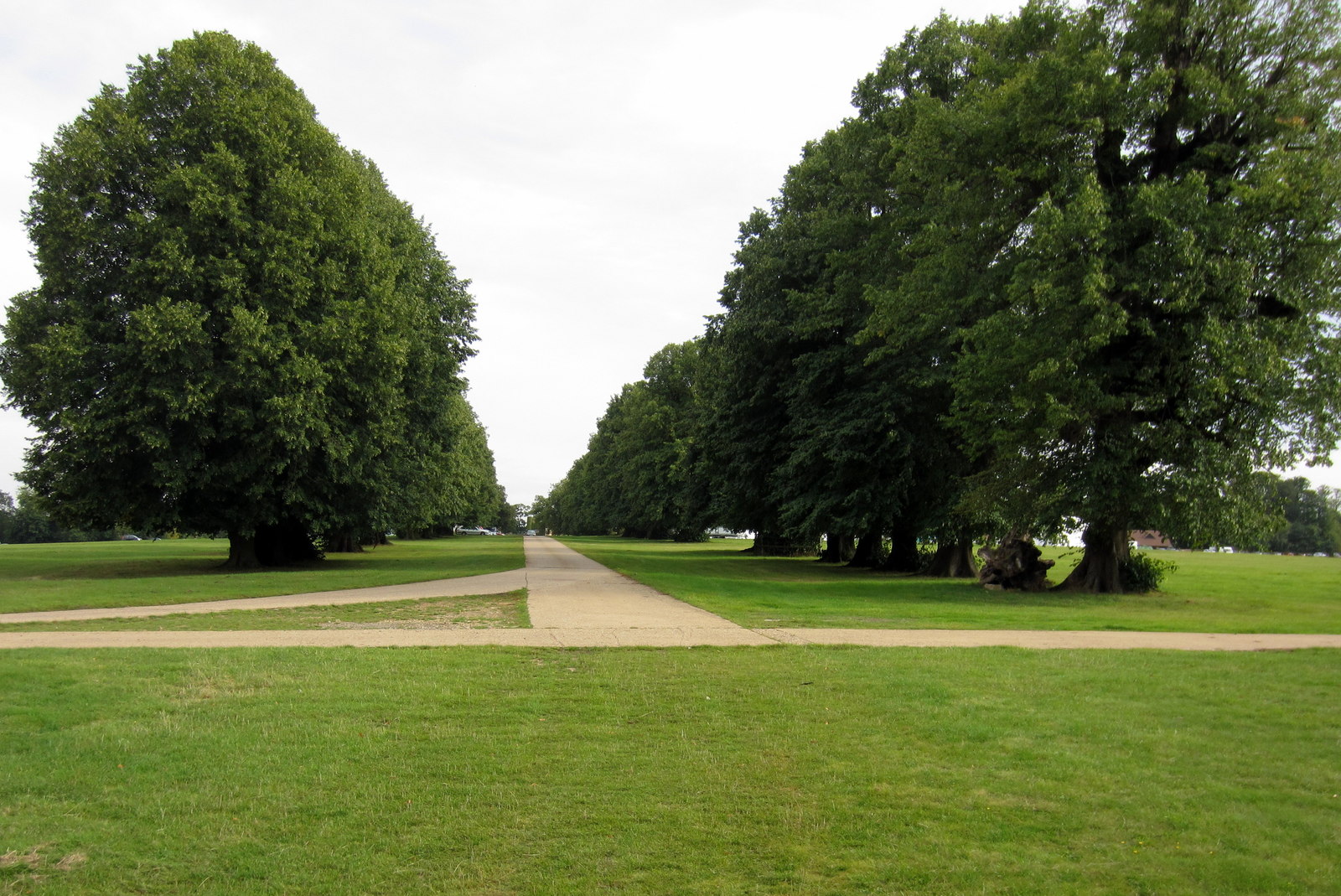
The park below the house. The fairground stood on this ground.
The fairground, where Paddington first meets Phoenix Buchanan. Hundreds of extras rode the carnival rides in the deer park below the house. On screen it is a summer evening. It was shot at the end of January 2017, during a cold snap, with the temperature below zero.
Filling this park with people is old work: it has held rock concerts since 1974, and in August 1976 a crowd of many thousands sat in it waiting for the Rolling Stones.
Nidd Viaduct, Nidd Gorge, Bilton, Harrogate, North Yorkshire
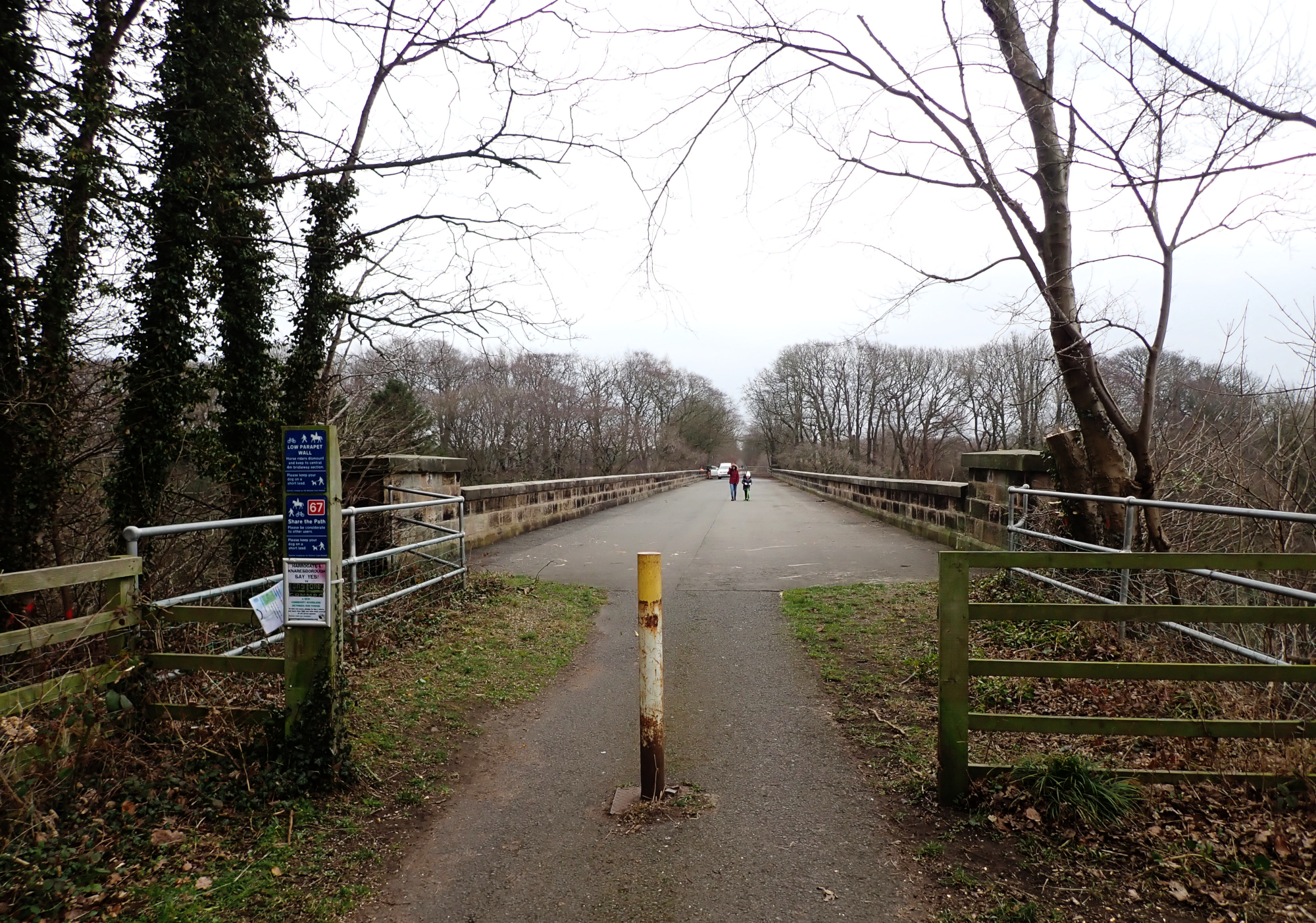
The trackbed the trains ran on until the 1960s is now a cycle route.
The viaduct in the train chase: seven arches over the River Nidd, built in 1847 for the Leeds and Thirsk Railway and closed to trains in the 1960s. The old trackbed carries the Nidderdale Greenway now, a walking and cycling route with no gate on it.
The rest of the chase never went near a railway. The actors ran and fought inside a transparent tent pitched on the back lot at Leavesden, with silks hung inside it so that the dawn light falling on them would be real. Under the tent were five mobile platforms driven by electric motors on a two-way radio link, each carriage and platform weighing about six tonnes, built so that a carriage could be turned round or moved to a different position in the train. The country the trains appear to be crossing was shot separately, from a helicopter over the Lake District with a camera array covering 180 degrees.
London Paddington station, Praed Street, London W2 1HQ
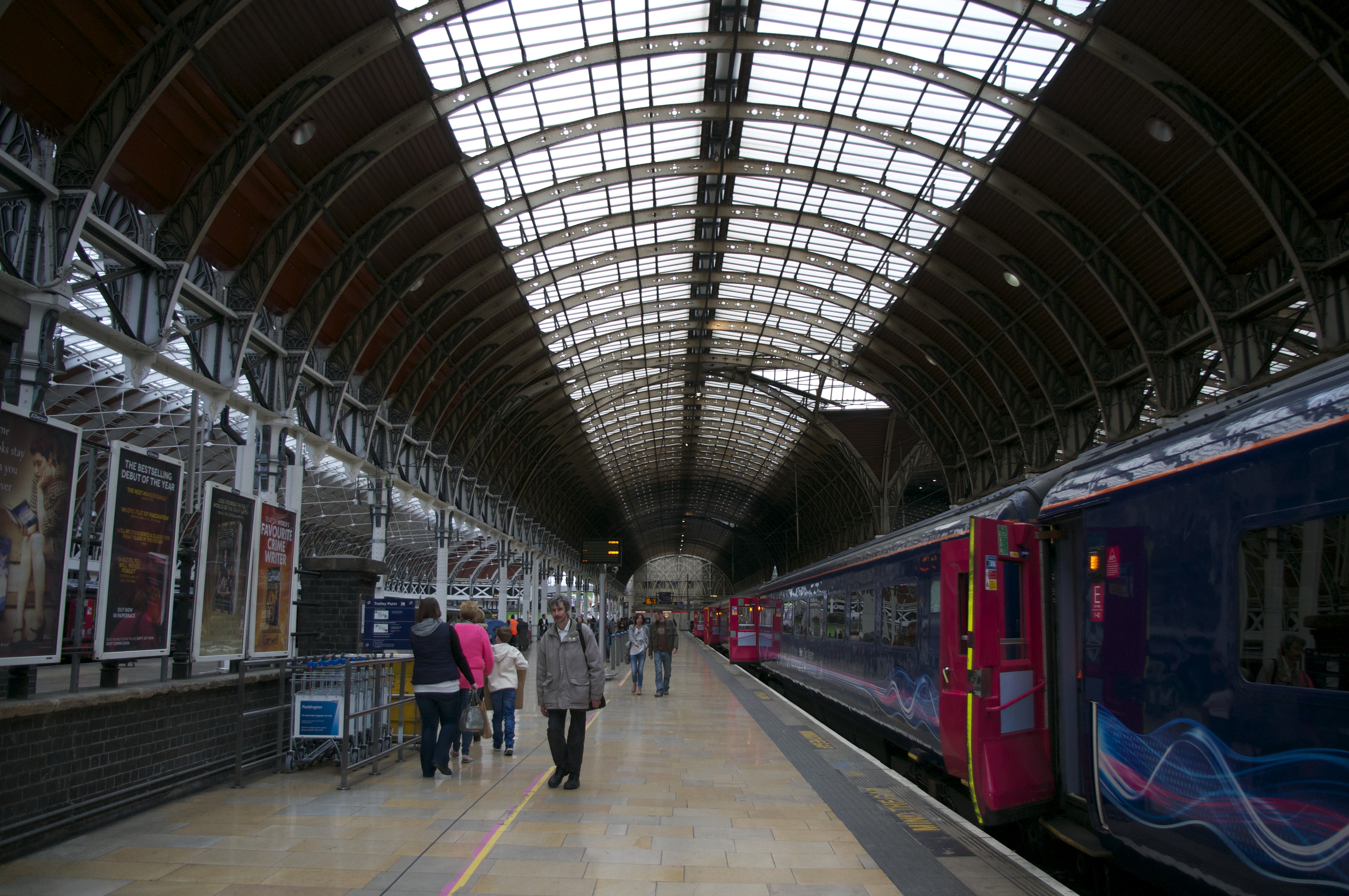
The shed and the roof that Network Rail sells to producers.
The station the bear is named after, playing itself. DB Cargo made the arrangements with the station in December 2016 and brought in a Class 66 and FYA wagons to make up the film's Fair Train; the A1 Pacific 60163 Tornado hauled the Belmond British Pullman. Drivers from the company's Acton depot and its steam crew worked the shoot, and the company took a credit at the end of the film.
Network Rail rents the station out to producers now, but films have been shot in it since The Last Journey in 1936: The Halfway House (1944), The October Man (1947), A Run for Your Money (1949), The Man Who Never Was (1956), Murder She Said (1961), Quadrophenia (1979), Layer Cake (2004), The Bank Job (2008), About Time (2013), London Spy (2015), Peter Rabbit (2018) and Last Night in Soho (2021). What Network Rail advertises to the next producer is the train shed and its roof, the war memorial, and the station clock, which it says the two Paddington films made famous.
There is a Paddington Bear statue on platform 1.
Where the film starts
Iguazu Falls, on the Iguazu River at the Brazil–Argentina border
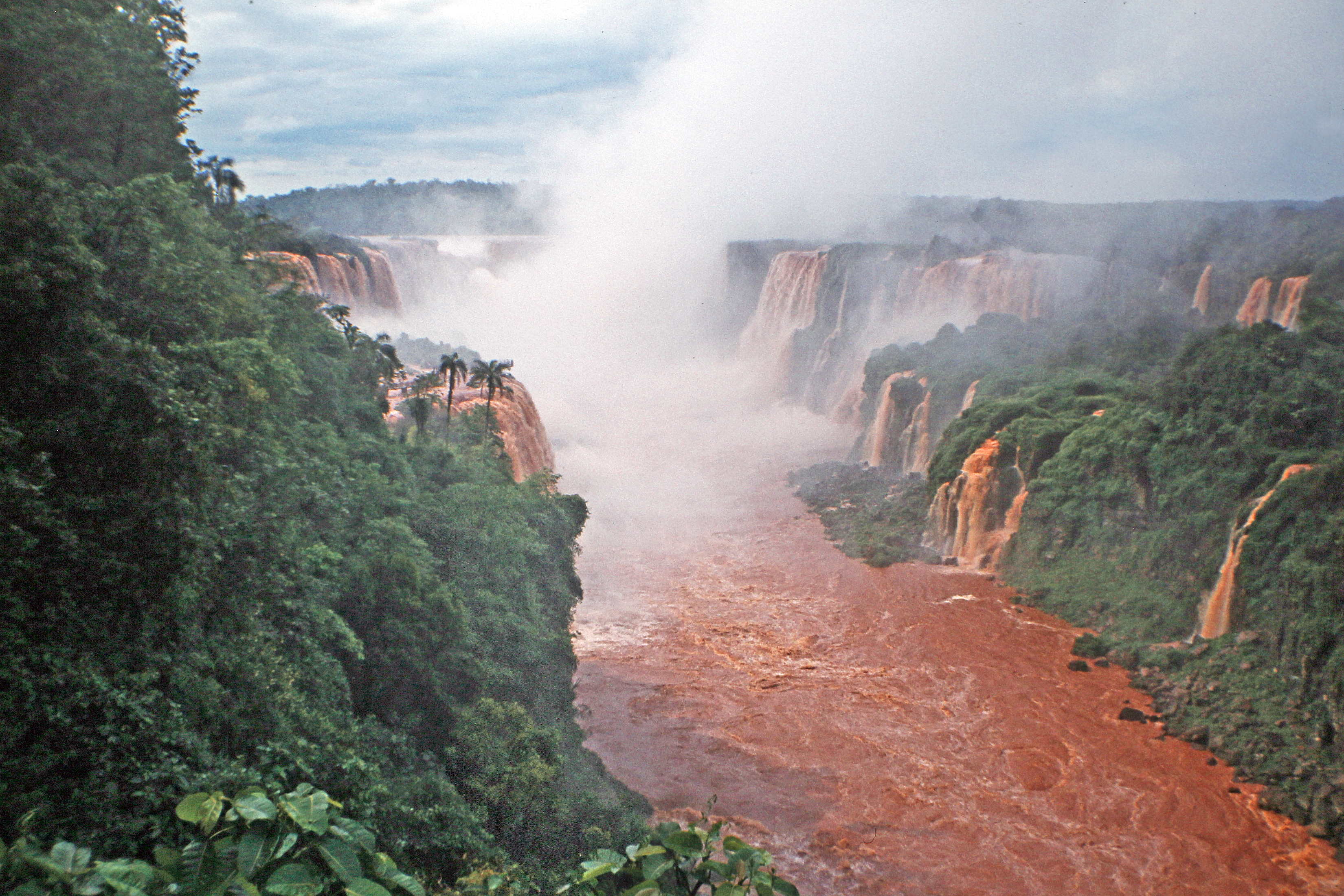
Deepest, darkest Peru is 3,000 km away on the Brazil–Argentina border. The water is in flood in this photograph.
Deepest, darkest Peru. The opening of the film, with baby Paddington on a log in the water and Aunt Lucy and Uncle Pastuzo above him, is built on 8K Alexa plates shot at Iguazu Falls, about 3,000 km from Peru. Framestore put in the water immediately around the bear, and the bears.
Glen Pratt, the visual-effects supervisor on the shoot, says the resolution let them stretch the landscape and open the view out.
The falls stand in two national parks, Iguaçu on the Brazilian side and Iguazú on the Argentinian, both World Heritage sites, both ticketed, both open daily.
Portobello Road, Notting Hill, London W11
The goods spilling on to the pavement outside the shop that plays Mr Gruber's. The shopfront is out of frame to the left.
Mr Gruber's antique shop, and the room the film's opening was physically shot in.
The shop is Alice's Antiques, at the southern end of the market: a red front with the stock spilling out over the pavement, established in 1887 and run by the same family for four generations since. A change of sign makes it Gruber's, and it did the same job in the first film. Notting Hill (1999) worked much of the length of this street.
The bridge that stands up out of the pop-up book was drawn in a computer. The shop the book is opened in has had the same family behind the counter since 1887.